


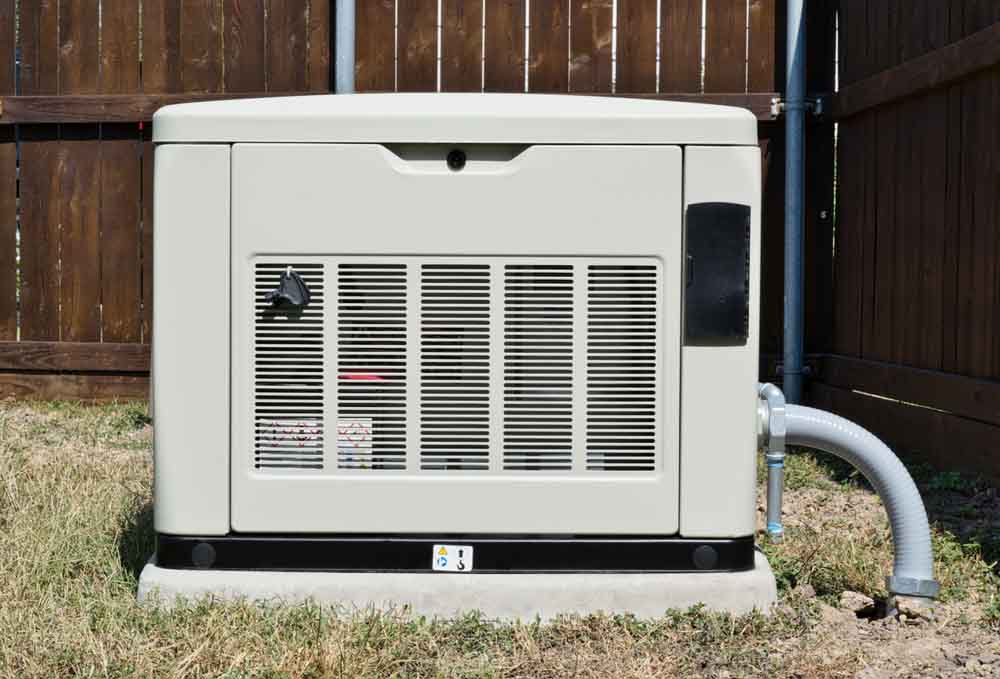
Running a generator during a power outage is a smart way to maintain comfort and safety, but it requires a strict commitment to specific operating procedures. The primary risk associated with these machines is carbon monoxide, a gas that is a natural byproduct of the combustion process. Because this gas has no color and no odor, it is impossible for human senses to detect its presence. High concentrations can accumulate quickly, and without the right precautions, a helpful tool can become a serious hazard to everyone in the household.
The Risks of Invisible Exposure
Carbon monoxide is dangerous because it displaces oxygen in the blood. When people breathe it in, the heart and brain are deprived of the oxygen they need to function. The early signs of exposure are often mistaken for common ailments like the flu or general exhaustion. People may experience a dull headache, dizziness, nausea, or a general sense of confusion. If these symptoms appear while a generator is running, it is vital to leave the building immediately and seek fresh air.
Safety standards suggest that units must stay at least 20 feet away from the home. This distance helps make sure that fumes do not drift into open windows, door gaps, or soffit vents. Even if a garage door is wide open, the structure acts as a trap for exhaust, allowing gas levels to rise to lethal heights in a short amount of time. To guarantee protection, every floor of the home should have a functional carbon monoxide detector with a battery backup.
Maintenance and Performance
The mechanical health of the engine plays a major role in how much gas is produced. Engines that are not running efficiently tend to produce higher volumes of carbon monoxide. Issues such as a dirty air filter or a failing spark plug prevent the fuel from burning completely. When combustion is incomplete, the chemical output of the exhaust changes for the worse.
Standard upkeep tasks contribute to a safer environment around the machine. Regular oil changes and cooling system checks help the unit run at its designated temperature and efficiency. If a generator produces thick smoke or struggles to stay running under a load, it needs professional attention. Keeping the equipment in top shape guarantees it operates as the manufacturer intended, which helps manage the risks associated with exhaust fumes.
Placement and Weather Considerations
During heavy rain or storms, there is a temptation to pull the generator closer to the house or under a porch to keep it dry. This is a dangerous mistake. Coverings can cause exhaust to swirl and concentrate near the building rather than dispersing into the open air. Specialized generator tents or covers designed for high airflow are the only safe way to protect a unit from the elements while it is in use.
Frequently Asked Questions
Where is the safest place to point the exhaust pipe?
The exhaust should always point away from the house and any neighboring structures. Pointing the pipe downwind helps the breeze carry the gas away from living areas.
Can a carbon monoxide detector replace the 20 foot rule?
No, a detector is a backup safety device, not a permit to place the unit closer to the home. The 20 foot rule is the primary defense against gas entering the building.
Is it safe to run a generator in a shed with the windows open?
No, sheds do not provide enough ventilation to move the high volume of gas produced by a combustion engine. Only a completely open outdoor area is suitable for operation.
If you are worried about the safety or performance of your backup power system, professional technicians can help. Experts can verify that your setup meets all safety requirements and perform the necessary repairs to keep the engine running cleanly. Reach out to a qualified electrician to guarantee your home stays powered and protected.