


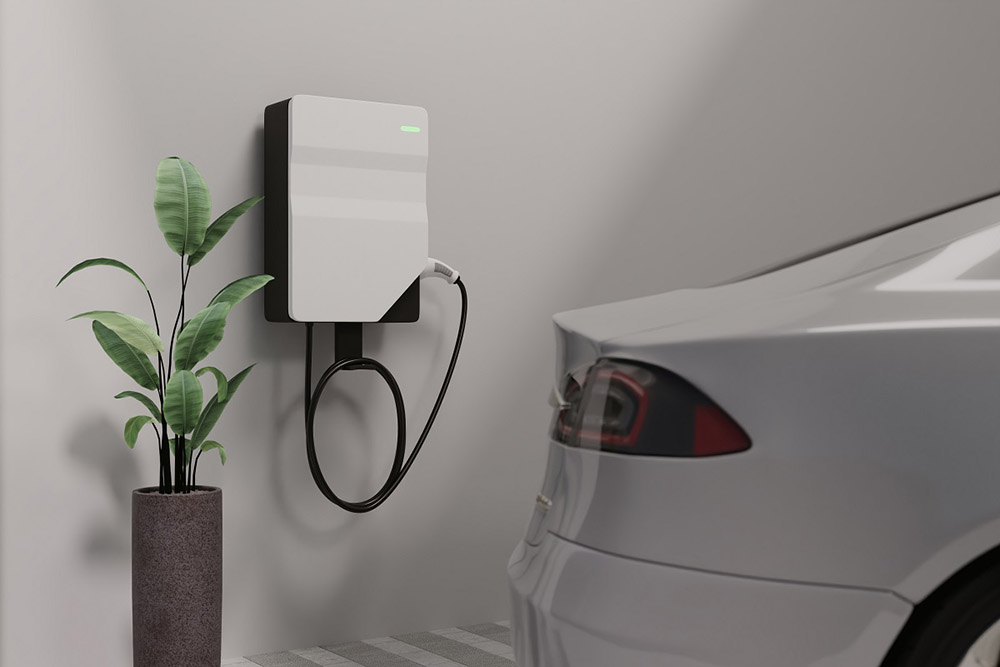
Many homeowners go through an electric car charger installation in Merritt Island, FL, without much thought about the specifics. They focus on the aesthetics over function, only to discover later on that the electrical system cannot support a Level 2 charger without major rework.
Here, experts from Deltron Electric share insights on what you should plan for.
Electrical Capacity Should Come First
An EV charging station places sustained demand on your electrical system. Before installation, have a licensed electrician evaluate your panel capacity, service size, and overall load.
Many homes need a panel upgrade or load management solution to safely support charging alongside HVAC systems, appliances, and future additions. Skipping this step during an EV home charger installation risks nuisance breaker trips or overheating components. Both reduce safety and reliability.
Panel Location and Future Expansion
Your panel determines what your home can handle years from now, not just today.
During a remodel, electricians can address:
- Undersized or outdated panels
- Poor panel placement that limits future access
- Capacity for a second EV, solar, or battery storage
Homeowners who plan to avoid repeating expensive electrical work when their needs grow.
Charger Placement Affects Daily Convenience
Where the charger goes matters more than most homeowners expect.
Professional planning accounts for:
- Garage depth and vehicle orientation
- Cord reach without tripping hazards
- Driveway vs. garage charging needs
- Weather exposure and mounting height
Poor placement often forces awkward parking habits or limits charging to one vehicle type.
Permits, Codes, and Insurance Implications
EV charging installations are regulated electrical upgrades. This means you must secure permits and inspections, as they are not optional.
Professional installation protects you from code violations, failed inspections, and insurance complications. Improperly installed chargers can trigger denied claims or resale issues when a home inspection flags unpermitted electrical work.
That risk often costs more than proper installation ever would.
Why Professional Installation Matters
DIY guides rarely reflect real-world electrical conditions. Every home is different.
Our licensed electricians can address:
- Correct grounding and bonding
- Proper conductor sizing
- Breaker and fault protection requirements
- Integration with existing electrical systems
That expertise directly affects safety, performance, and system lifespan.
Remodeling for Today and Tomorrow
Installing an EV in your home is adding infrastructure. When your remodel accounts for charging capacity, electrical growth, and smart placement, you improve resale value and daily convenience at the same time.
Homes prepared for EV charging station installation appeal to future buyers who expect that capability to be built in, not retrofitted.
FAQs: Home Remodeling and EV Charging Stations
Do I need a panel upgrade to install an EV charger?
Not always, but many homes do. A load calculation determines what your system can safely support.
What type of charger is best for home use?
Most homeowners choose Level 2 chargers for faster overnight charging.
Can I install an EV charger outdoors?
Yes, with proper weather-rated equipment and correct installation.
Will adding an EV charger increase home value?
In many markets, EV-ready homes attract more buyers and higher interest.
An EV charging station works best when it is treated as part of your home’s electrical ecosystem. That’s why if you are looking to perform an electric car charger installation in Merritt Island, FL, during a remodel, this is the moment to do it right.
Get a professional assessment today from Deltron Electric. Call us for a professional assessment, so you can avoid high costs and headaches later.